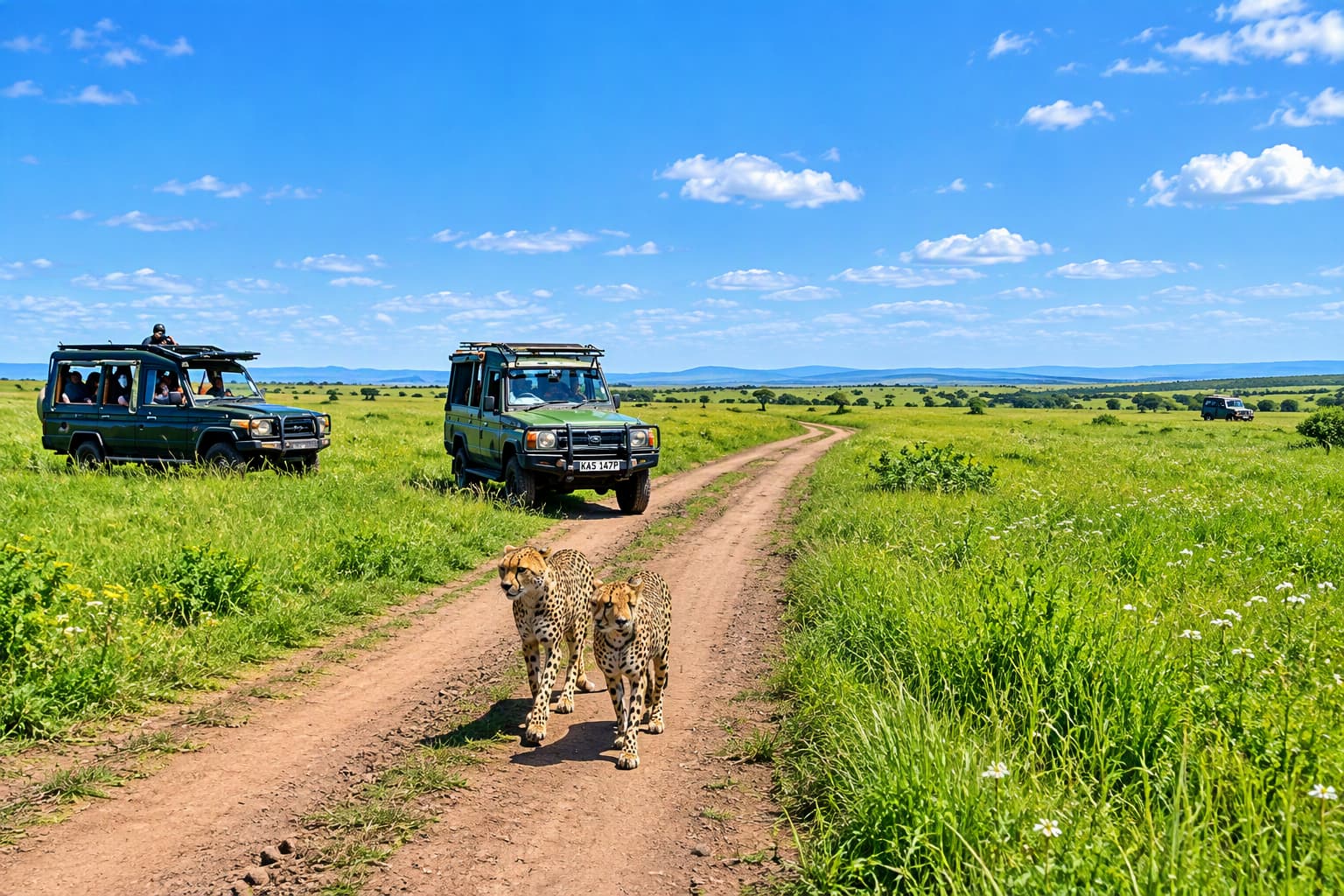
The Mara River crossings are arguably the most anticipated moments of the Great Migration.
Imagine standing on the banks of the Mara River as thousands of wildebeest gather, waiting for the right moment to cross. Some hesitate, others move closer to the water, while the rest of the herd continues building behind them.
Suddenly, one animal takes the lead, and the entire scene transforms into a dramatic movement of hooves, splashing water and dust.
The crossings are not simply about the animals moving from one side of the river to another. They demonstrate the remarkable instincts, determination and survival challenges of wildlife in the African wilderness.
Understanding the Great Migration
The Great Migration is an annual wildlife movement involving approximately 1.5 million wildebeest, hundreds of thousands of zebras and gazelles, and other animals travelling through the Serengeti-Mara ecosystem.
Driven primarily by seasonal rainfall and the availability of fresh pasture, the herds follow a broadly circular migration route between Tanzania and Kenya.
Although the migration follows a recurring seasonal pattern, it is important to understand that the animals do not operate on a fixed timetable. Rainfall, weather conditions and grazing availability influence their movements, meaning exact dates can vary from year to year.
For safari travellers, this makes timing an important consideration.
Tips for Planning Your Great Migration Safari
A successful migration safari requires more than choosing the right month. Your accommodation, safari duration and choice of guide can also influence your experience.
Here are some important considerations when planning your trip with Whydah Safaris.
1. Book early
July, August and September are popular months for migration safaris. Camps and lodges in prime wildlife-viewing locations can fill up quickly, so advance booking is advisable.
2. Spend enough time in the Maasai Mara
Consider spending at least three to four nights in the Maasai Mara. This gives you more opportunities to explore different parts of the reserve and encounter wildlife. River crossings, however, are never guaranteed, regardless of how long you stay.
3. Choose accommodation strategically
Consider staying in a lodge or tented camp positioned close to the areas where migration herds are expected. Location can make a significant difference when planning early-morning and afternoon game drives.
4. Travel with an experienced safari guide
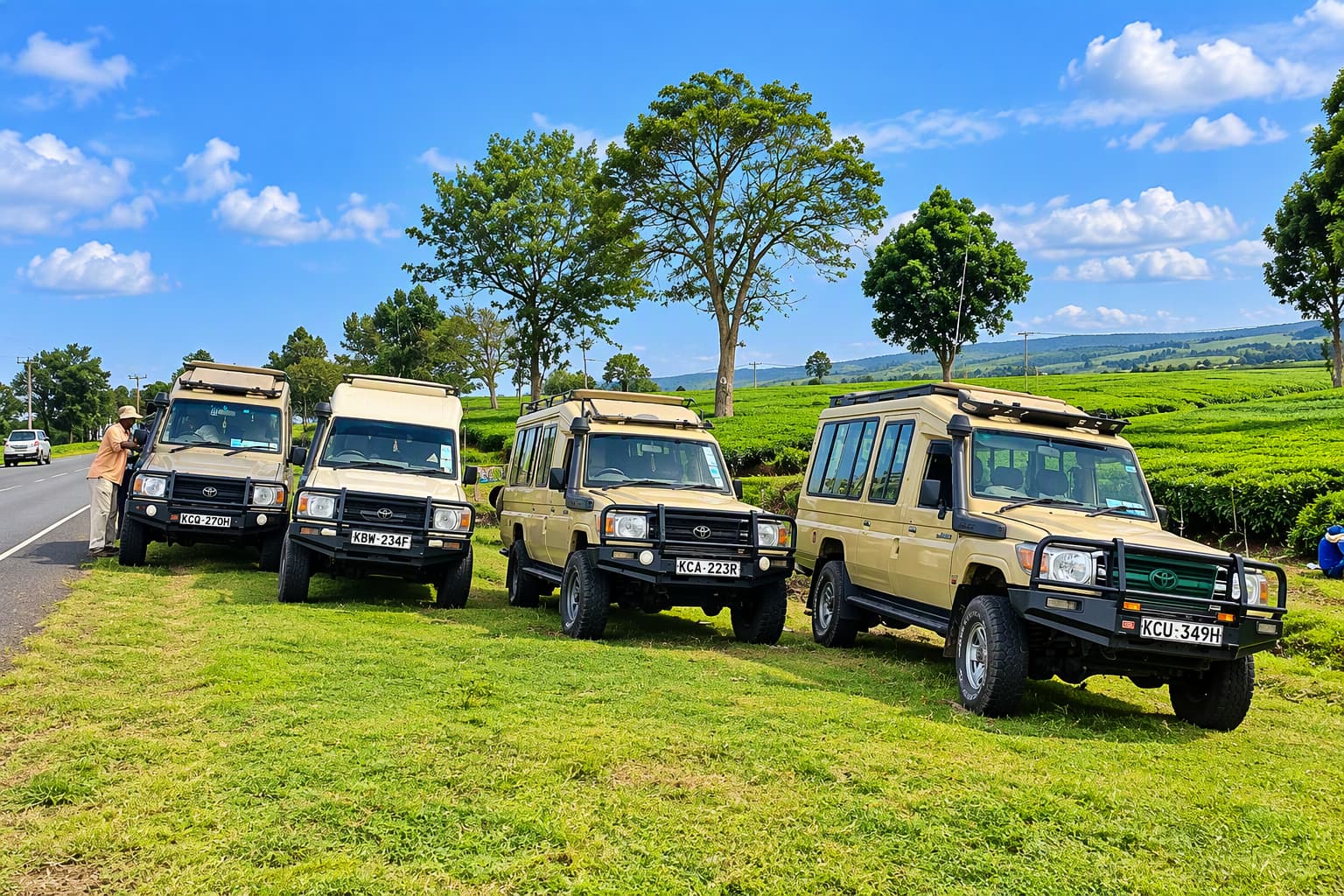
A knowledgeable guide understands animal behaviour, wildlife movements and the reserve's terrain. Their experience can help you identify promising wildlife-viewing locations.
5. Carry the right safari essentials
Pack comfortable clothing in neutral colours, sunscreen, a hat, binoculars, a camera and a good pair of sunglasses. A light jacket is also useful for chilly early-morning game drives.
6. Be patient and respect wildlife
Wildlife encounters happen naturally. Always follow your guide's instructions, maintain a safe distance from animals and avoid disturbing their movements.
Why Choose Whydah Safaris for Your Great Migration Adventure?
The Great Migration is more than a wildlife spectacle. It is an opportunity to experience the beauty, diversity and untamed wilderness of Africa.
At Whydah Safaris, we believe every safari should be memorable, informative and thoughtfully planned. Whether you are a first-time visitor to Kenya or an experienced wildlife enthusiast, we want to help you discover the magic of the African wilderness.
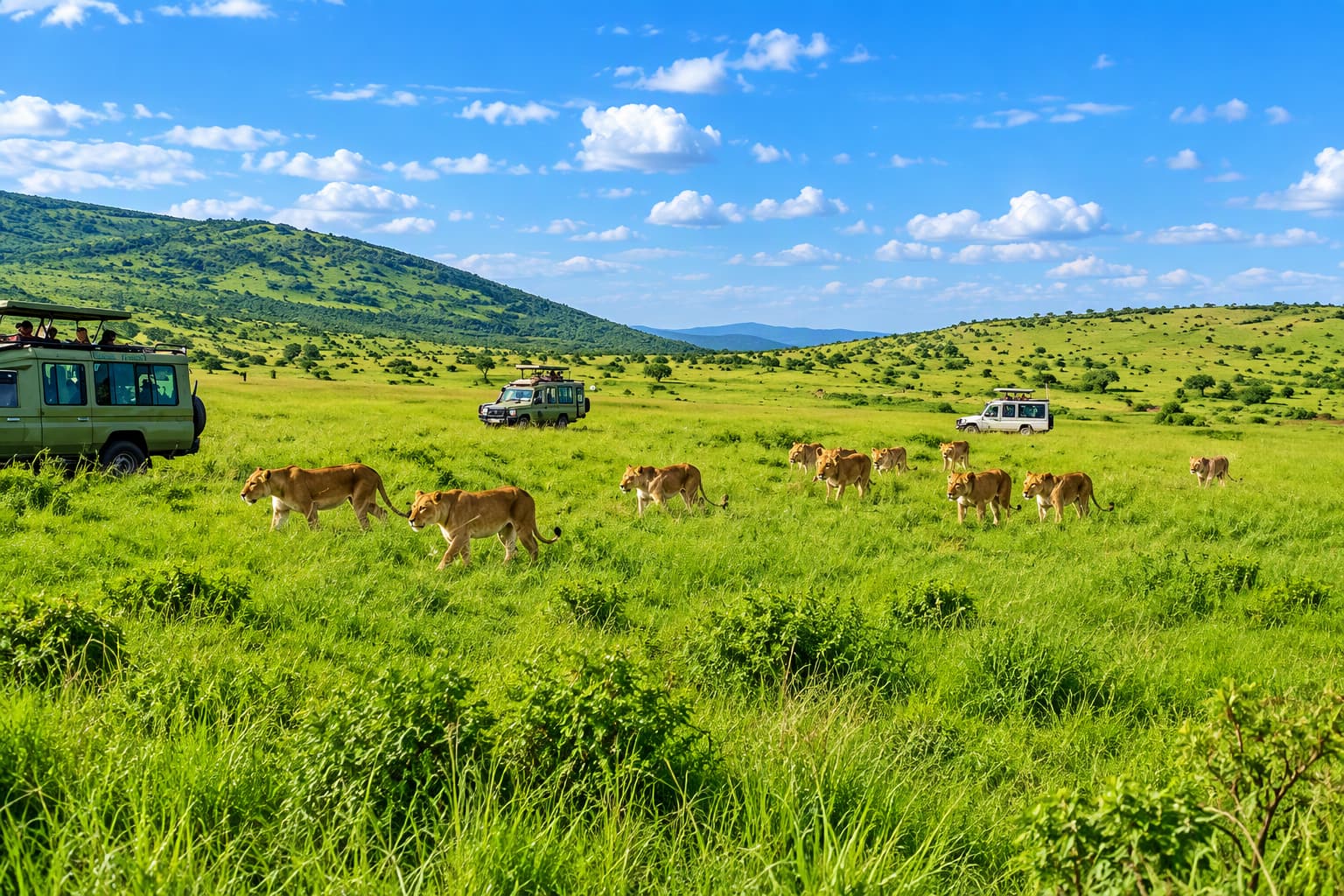
From the endless plains of the Maasai Mara to the dramatic Mara River crossings, our safari experiences bring you closer to nature.
Our goal is to help you make the most of your journey through Kenya by considering your travel dates, wildlife interests and preferred safari experience.
Comments & Ratings
No comments yet. Be the first to comment!